The hidden tax of modern marketing 😶
Apr 09, 2026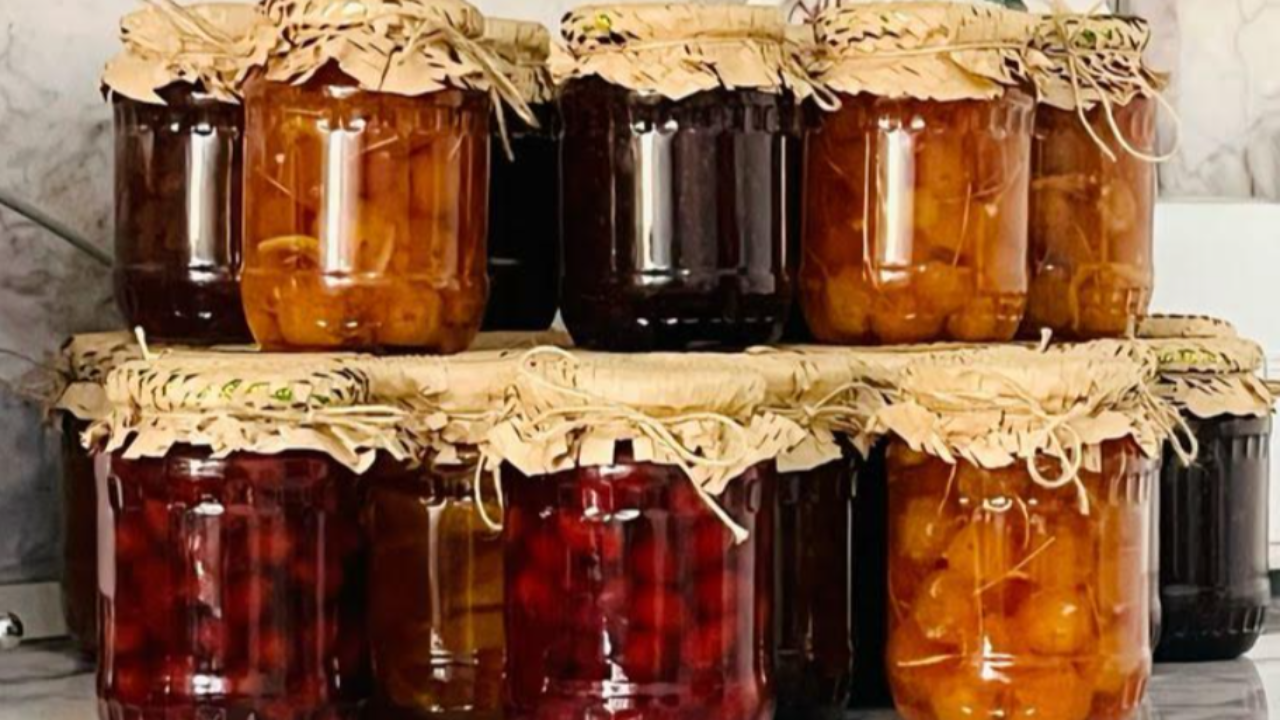
You sit down to create a piece of marketing content. You have thirty minutes before your next call. You open a blank document and think, what should I write about today?
Ten ideas float through your mind. You start drafting one, then second-guess it. You pivot to another angle, write two sentences, delete them. You glance at what others in your space posted this morning and feel a knot form in your stomach.
Fifteen minutes gone.
You close the laptop and tell yourself you'll do it later.
Later doesn't come.
If that feels familiar, you're not alone. It's the default experience for most people trying to market themselves.
The blank page isn't the problem anymore
Today's tools have made the mechanics of creating content easier than ever. Prompts, templates, and AI drafting tools can get you to a first version in minutes. The "blank page friction" is largely gone.
But that's introduced a new challenge. When you can say anything, how do you know what to say?
AI has solved many of the problems of execution. What it's amplified is the weight of infinite choice.
The paradox of choice
Barry Schwartz popularised this concept in his book of the same name. While our intuition tells us that having more options is better, beyond a certain point it actually makes us miserable. It makes it genuinely anxiety-producing to choose from a range of perfectly good options, so much so that you often choose nothing at all.
The pattern is predictable:
- Decision paralysis. When faced with too many options, people struggle to choose at all, or avoid deciding entirely. The more choices, the harder it is to commit.
- Opportunity cost. Every option you pick means rejecting all the others. The more alternatives exist, the more you're aware of what you're giving up, which erodes satisfaction with your choice.
- Rising expectations. More options raise the bar for what a "perfect" choice looks like. If there are 100 options, surely one of them must be ideal, and if your pick falls short, it feels like your fault for not choosing better.
- Regret and second-guessing. After choosing, you're more likely to wonder "what if?" when you know dozens of alternatives existed.
The jam study
A classic real-world example comes from researchers Sheena Iyengar and Mark Lepper. They set up a jam tasting display in a grocery store. When shoppers were offered 24 varieties, more people stopped to look, but far fewer actually bought one. When the display was reduced to just 6 varieties, purchases went up significantly.

The larger selection attracted attention. The smaller one drove action.
The takeaway isn't that choice is bad. There's a sweet spot. Enough options to feel autonomous, but not so many that the decision itself becomes a burden.
The hidden tax
When everything is possible, nothing feels clear, and we end up stuck, overwhelmed, or making no decision at all.
This is the hidden tax of the modern marketing era: decision fatigue.
I've felt it myself. As a parent of five, running a business, building a brand, the number of decisions I make on any given day is staggering. Research puts the number at around 35,000 decisions per day for the average adult.
Some days my brain just freezes, incapable of deciding something as basic as what to eat for lunch. Marketing decisions are no different. The "coulds" and "shoulds" and "oughts" pile up until doing nothing feels easier than choosing wrong.
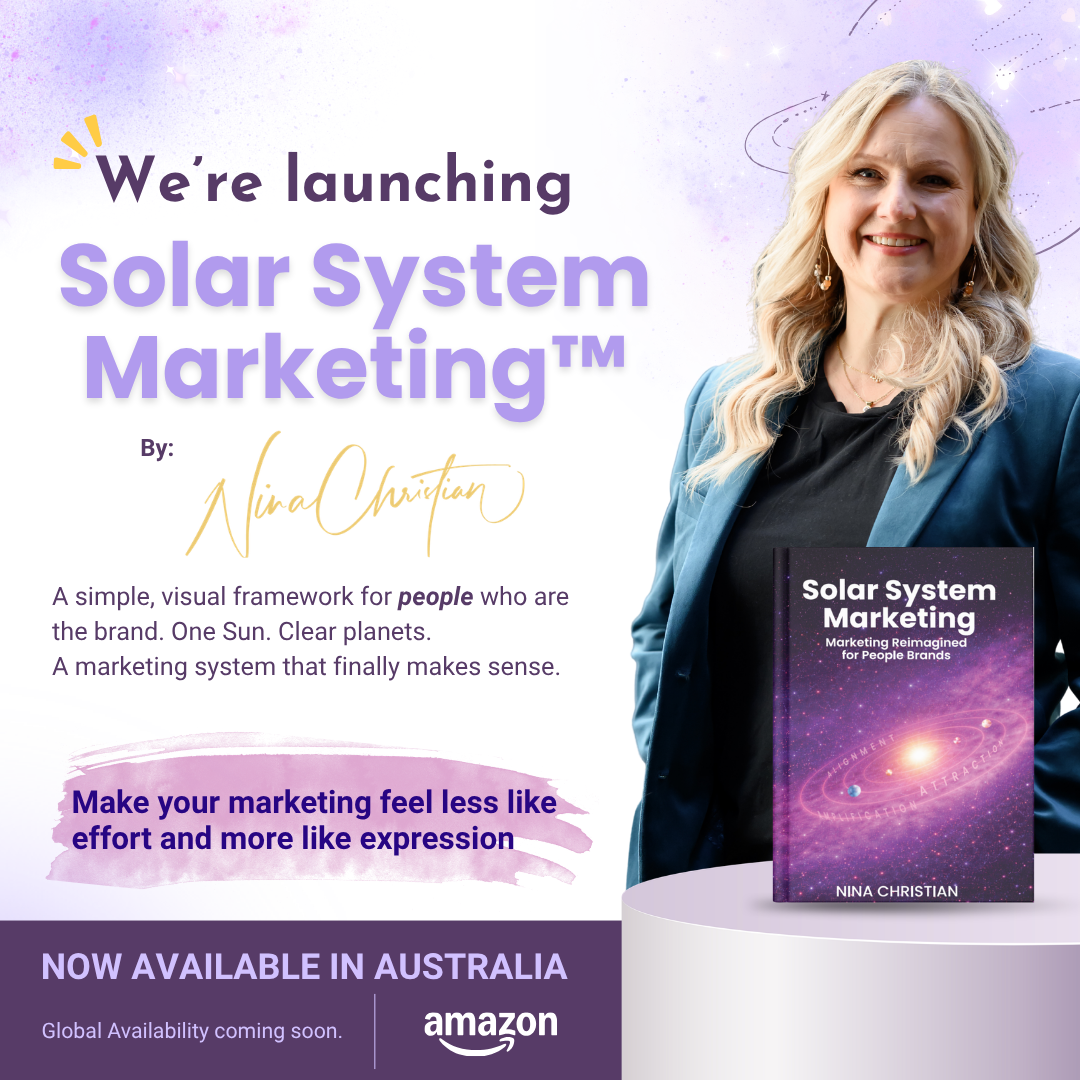
That's why I wrote Solar System Marketing™. It's a framework that removes the overwhelm of endless choice and gives you a natural system to follow, so marketing feels less like effort and more like expression. .
Solar System Marketing™ is in print production right now.
You can place your order here and your copy will be shipped next week:
Hey!